

Strategic Guide
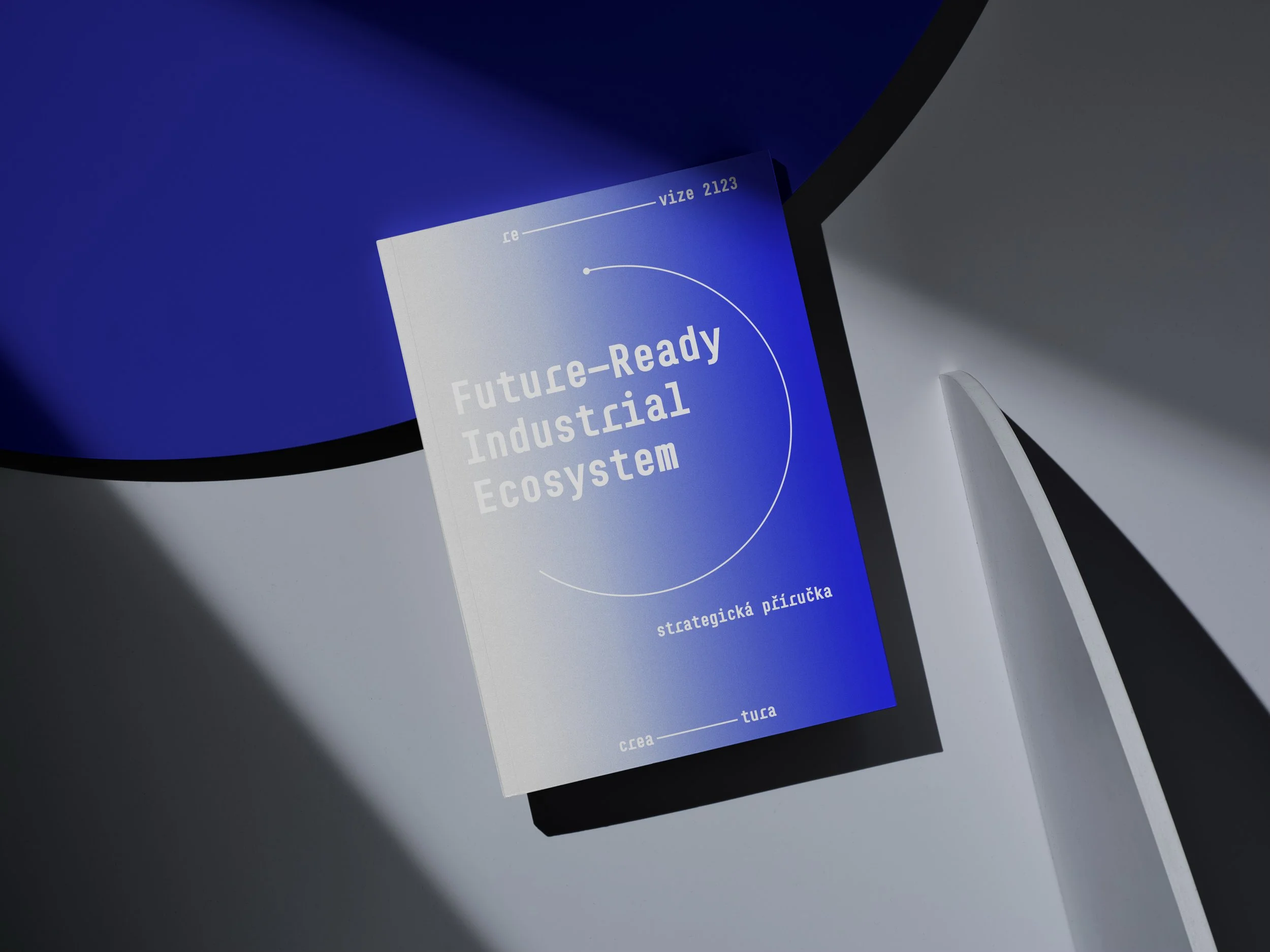
Future-Ready Industrial Ecosystem
A Strategic Guide to the Future of Industrial Buildings and Facilities. A document for anyone who wants to secure the future of their investments in this era of transformation.

A Note from the Authors
We see a huge but overlooked opportunity in industrial parks. At the same time, we know the significant challenges they face.
After years of experience, we decided to share our know-how in a practical guide. In it, you’ll find our perspective on how to approach investing strategically—and, most importantly, how to avoid getting burned in the process.
We want to provide you with insights that will not only help you keep up with the frantic pace of today's world, but also enable you to set the pace yourselves.
But it's not just about data, charts, and financial models. It's about something much bigger: the places where people will spend their lives, and the legacy we'll leave behind.
We believe this guide will spark your interest and help you ask the right questions—perhaps as early as your next meeting.
Enjoy the read,
Karel and František
Future-Ready Industrial Ecosystem
A comprehensive guide for people making critical decisions. A total of 69 pages of our team’s expertise and practical information. Join us in exploring the future of industrial site planning and construction.
Home
The Transformation of Industrial Architecture and Why Traditional Approaches Fail
Editorial and Our "Why"
5 Key Challenges Facing the Industrial World
Five major obstacles facing industrial projects today and their impact on business.
Aspects of Strategic Planning
Ready for Automation: A Design for a Smart Future
Our Results in Site Redevelopment
Case Studies
Brownfields: A Premium Opportunity
Human-Centered Design: A Magnet for Talent
Open Factory: Show Us What You Do
From Principle to Reality
An Implementation Framework and Step-by-Step Methodology for Your Projects
Conclusion and the Way Forward
Who Is This Strategic Guide Intended For?
We're thinking of all the decision-makers
We know full well that within your company, you need to balance functionality, efficiency, sustainability, budget, and many other objectives in industrial projects. We kept this in mind when writing our strategic guide. The individual chapters and examples will be valuable to a wide range of people.
C-level management
Strategic Oversight and Vision
Chief Operating Officer
Operational Efficiency
Project Manager
Successful Implementation
Facility Manager
Long-Term Facility Management
Marketing Director
Working with the company's and its brand's long-term vision
Download the Strategic Guide
Instant access to the complete document. A total of 69 pages of insights into the planning and development of industrial complexes.
Leaders' Views
We asked leading experts some questions. Let their insights inspire you.
Karel Fronk
ESG Manager, KKCG Real Estate Group a.s.
-
Operational industrial sites in city centers are facing growing pressure to be converted into housing and commercial spaces. At the same time, the era of large-scale brownfield redevelopment is coming to an end, so interest is naturally shifting toward these operational sites. This shift presents two main paths: revitalizing existing sites into modern, sustainable facilities, or accelerating the construction of new industrial buildings. Both options represent a tremendous opportunity for the circular economy and its operational efficiency.
-
Standard due diligence is often just a theoretical framework for valuation. That’s not enough, because it doesn’t account for the actual life cycle. Complications then quickly arise: the project runs into zoning issues, permitting processes, or persistent resistance from the local community. At the same time, key surveys—from demolition audits to dendrological or historic preservation assessments—are critically underestimated. The result is disproportionate delays in the entire revitalization process.
-
Prioritize planning for the selection of building materials, material composition, and the circular economy. The importance of low-carbon materials and the proportion of recycled materials in new materials is a clear trend in real estate development and the construction industry.